
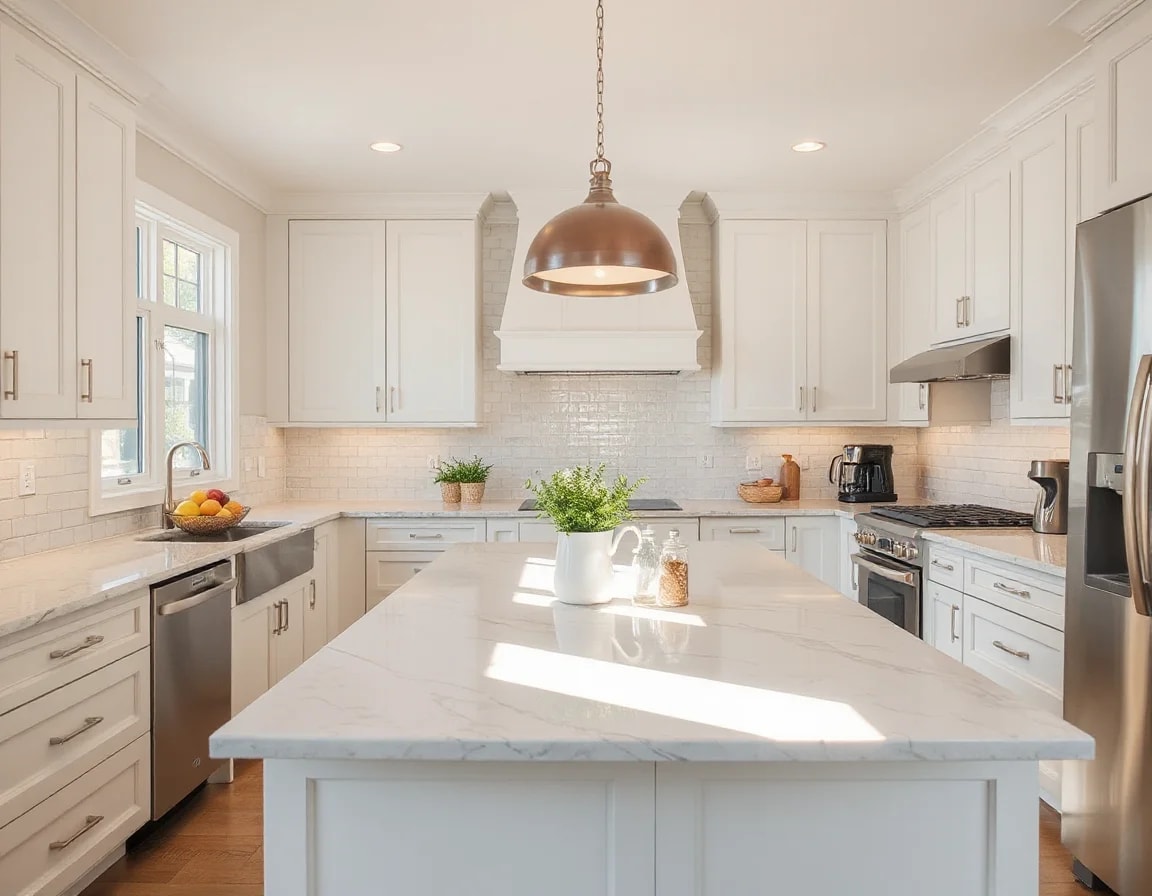
A successful sale starts well before the first showing. By simplifying your space, addressing visible maintenance, presenting each room with purpose, and preparing for decisions in advance, you can move forward with greater clarity and confidence. The goal is not perfection—it is helping buyers understand and appreciate your home’s best qualities.
Preparing a home for sale is a thoughtful process, not a last-minute sprint. Buyers form impressions quickly, both online and in person, so the choices you make before listing can help your property feel cared for, functional, and easy to imagine as someone else’s next home. Use these seven steps as a practical framework, and lean on your agent for guidance tailored to your home, neighborhood, and goals.
1. Start by Decluttering With a Buyer’s Perspective
Decluttering is one of the most effective ways to make a home feel more spacious and inviting. It is not about stripping away all personality; it is about reducing visual noise so buyers can notice the room itself—the floors, windows, storage, layout, and natural light.
Begin with the areas that tend to collect the most items: entry tables, kitchen counters, bathroom vanities, closets, shelves, and the garage. Pack away off-season clothing, excess cookware, countertop appliances, personal papers, and highly specific decor. A useful rule is to leave enough in each space to show how it functions, but not so much that buyers focus on possessions instead of possibilities.
- Clear kitchen and bathroom counters except for a few intentional items.
- Remove magnets, notes, and paperwork from the refrigerator.
- Edit bookshelves and open shelving so they look organized rather than crowded.
- Pack personal photographs and valuables before showings begin.
- Make closets easy to view by leaving open space around hanging clothes and shelves.
Decluttering early has a practical benefit beyond presentation: it gives you a head start on packing, reduces stress later, and helps you identify what needs to move with you.
2. Handle Essential Repairs Before They Become Questions
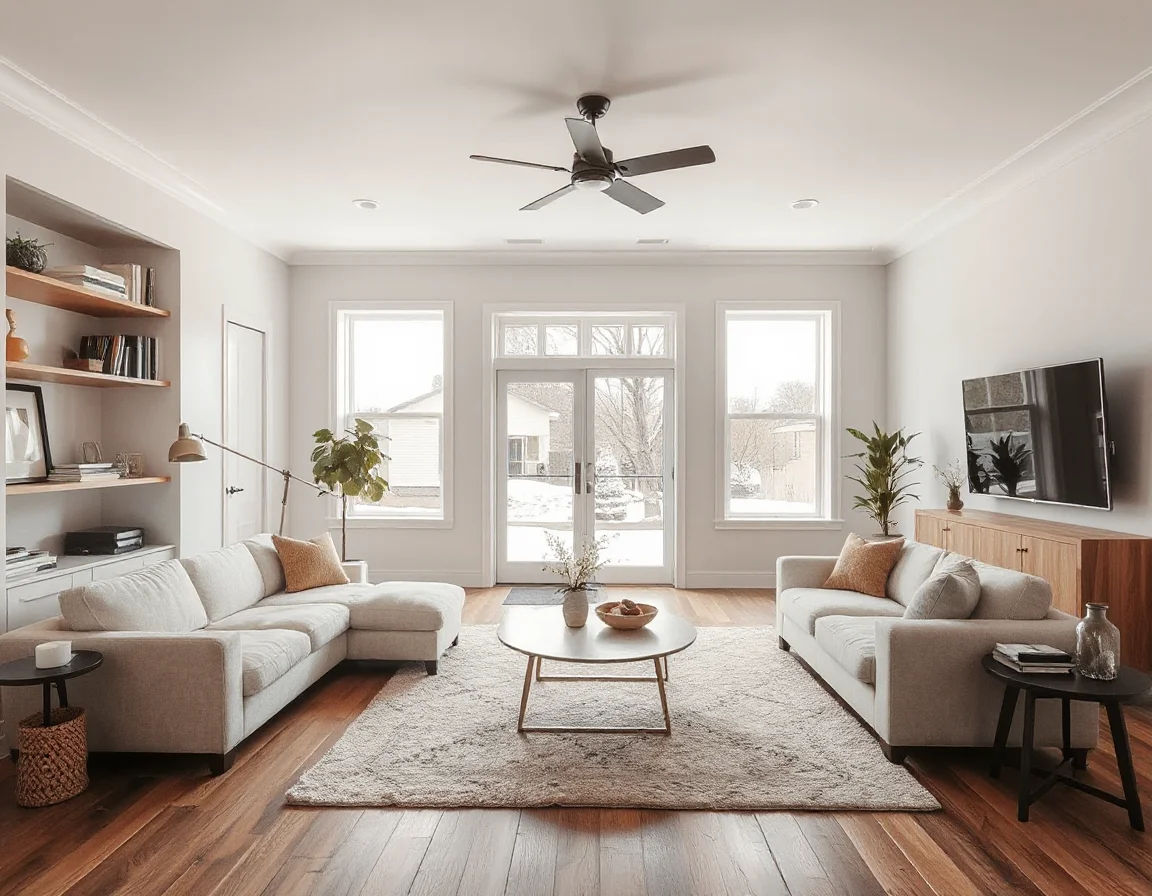
You do not need to undertake every possible improvement before selling. However, unresolved maintenance can distract buyers and may lead them to wonder about the home’s overall care. Focus first on issues that are visible, affect daily function, or could surface during inspections.
Walk through the property slowly, ideally with fresh eyes. Test doors, drawers, lights, faucets, exhaust fans, windows, locks, and appliances that will remain with the home. Look for peeling paint, loose hardware, damaged screens, dripping fixtures, worn caulk, cracked switch plates, and stains or scuffs. Small repairs often create a meaningful impression of readiness.
- Replace burned-out bulbs and use consistent, warm lighting where possible.
- Repair obvious leaks, running toilets, sticking doors, and loose handles.
- Refresh deteriorated caulk and grout in kitchens and baths.
- Touch up wall marks and trim damage with carefully matched paint.
- Keep invoices and service records for recent work in an organized place.
For larger concerns, such as roofing, heating and cooling, drainage, electrical, or foundation-related questions, consult qualified professionals and discuss the findings with your agent. The right next step depends on the issue, the property’s condition, and how you want to position the home—not on a one-size-fits-all renovation list.
3. Create a Strong First Impression Outside
Buyers begin forming an opinion before they reach the front door. A neat, welcoming exterior signals care and gives online visitors a compelling reason to schedule a showing. Concentrate on clean lines, simple maintenance, and an entry that feels easy to approach.
Mow and edge the lawn, trim overgrown shrubs, remove weeds, sweep walkways, and clear leaves or debris from the porch and driveway. Wash the front door and nearby glass, update a weathered doormat, and make sure exterior lighting is working. If the season allows, a few healthy plants or containers can add color without overwhelming the facade.
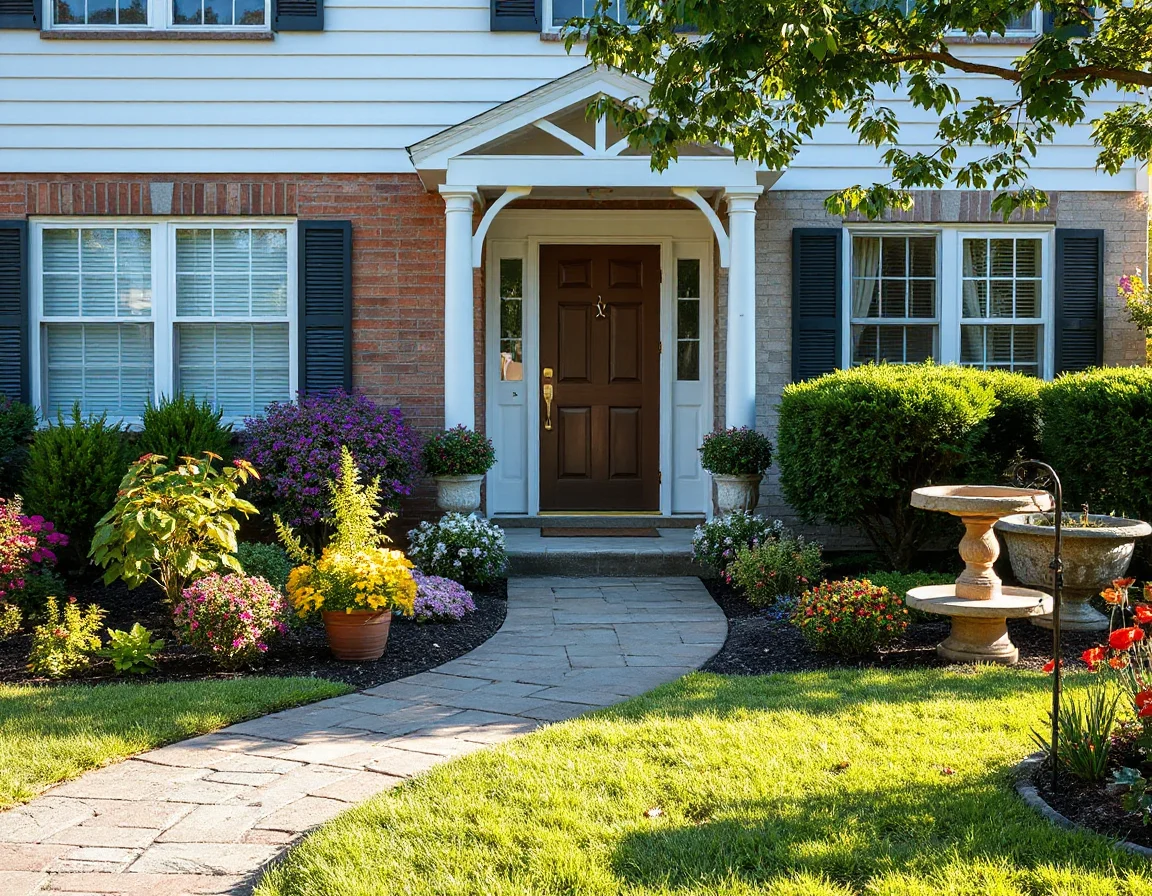
Stand at the curb and take a photo on your phone. The image can reveal distractions you may no longer notice, such as bins, hoses, faded planters, vehicles, or uneven landscape edges. Ask your agent which exterior updates are most appropriate for your property and local buyer expectations.
4. Stage for Function, Light, and Flow
Staging is the art of making a home easy to understand. It helps buyers see the purpose of each room and move through the property without distraction. In many cases, thoughtful editing, cleaning, furniture placement, and a few simple accessories can make a substantial difference.
Give every space a clear role. A spare room should read as a bedroom, office, hobby space, or flexible retreat rather than a storage area. Arrange furniture to show comfortable pathways and avoid blocking windows or architectural features. Remove oversized pieces that make rooms feel cramped, then use restrained accents—fresh towels, a simple centerpiece, coordinated bedding, or a neutral throw—to create warmth.
Light is equally important. Open curtains and blinds, clean windows, and replace dim bulbs before photography and showings. Aim for a bright, calm atmosphere rather than a heavily decorated one. Kitchens and bathrooms deserve special attention because buyers often look closely at cleanliness, storage, and condition in these rooms.
The most effective presentation choices make a buyer’s visit feel effortless: rooms are easy to enter, surfaces are clean, and the home’s features are not competing with clutter.
5. Prepare for Pricing With Complete Information
Pricing preparation begins with a clear understanding of your home, your goals, and the properties buyers may compare it with. Your agent can help evaluate location, condition, features, recent relevant sales, and current competition to develop a considered listing strategy. The strongest decisions come from complete information, not from assumptions or a single online estimate.
Before your pricing conversation, gather the details that help tell your home’s story. Include improvement dates, permits when applicable, warranties, utility information, association documents, property surveys, and a list of meaningful updates. Be specific about improvements that may not be immediately visible, such as insulation, drainage work, system servicing, or upgraded windows.
- List renovations and maintenance with approximate dates.
- Note what conveys with the property and what does not.
- Gather manuals, warranties, and relevant contractor records.
- Share known property details openly with your agent.
- Discuss your priorities, including preferred move plans and flexibility.
A pricing recommendation should be a conversation. Ask your agent to explain how the home will be positioned, what buyers are likely to notice first, and how condition and presentation may affect the strategy. That preparation helps you make an informed choice that feels aligned with your goals.
6. Make Photography and Showings Easy to Say Yes To
Most buyers will encounter your home online before they encounter it in person. Professional photography, a tidy setting, and a well-planned showing routine help ensure the in-person experience supports the promise of the listing.
Before photography, complete repairs and decluttering, clean thoroughly, and stage the home as if a buyer could arrive at any moment. Hide pet supplies, trash bins, medications, personal documents, charging cords, and cleaning products. Freshen towels, make beds, set the dining table simply, and turn on lights in darker areas. Your photographer and agent can advise on timing, room order, and any property-specific features worth highlighting.
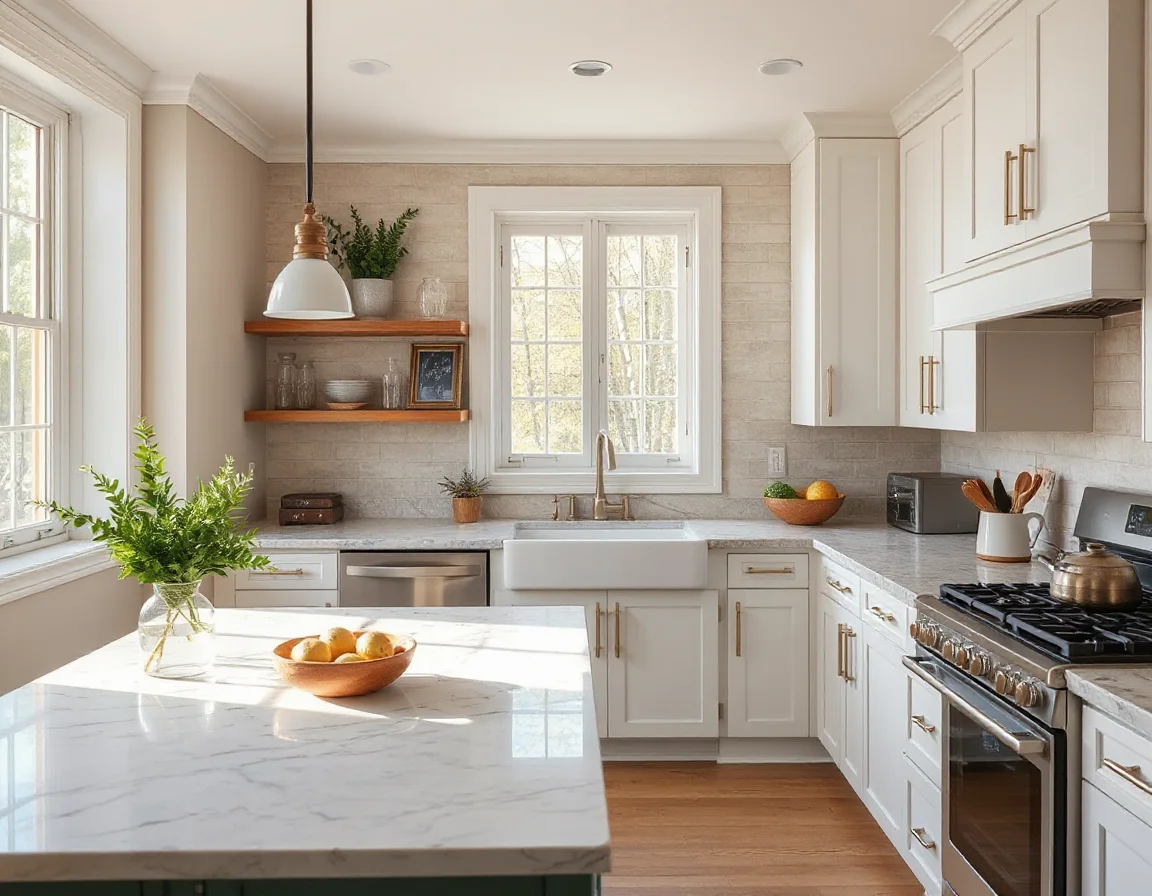
For showings, create a simple departure checklist. Secure valuables and medications, put away pet items, empty trash, adjust the temperature for comfort, open window coverings, and leave the home when possible. Buyers often take more time and speak more freely when they can focus on the property with their agent.
7. Review Offers and Plan Your Next Step With Confidence
An offer is more than a number. It may include financing terms, earnest money, contingencies, requested concessions, closing preferences, included items, and deadlines. Your agent can help you compare the complete terms, understand the practical implications, and decide whether to accept, counter, or continue marketing the home.
Before offers arrive, think through what matters most to you. Is your priority a particular closing plan, flexibility for a move, fewer conditions, or a straightforward path to completion? Knowing your preferences in advance makes it easier to respond thoughtfully rather than react quickly under pressure.
Once you have an accepted agreement, keep the home show-ready until your agent confirms otherwise and stay organized through the next milestones. Your team can help coordinate communication, documentation, inspections, appraisal access when applicable, and the details that keep the transaction moving forward.
Take the First Step Toward a Well-Prepared Sale
Selling a home is a significant decision, and preparation gives you more control over the experience. Start with the steps you can complete now, then ask your agent for a room-by-room perspective and a plan shaped around your property. A professional consultation can clarify what deserves attention, what can wait, and how to present your home with confidence.
When you are ready to talk through your next move, a seller consultation can provide practical guidance without pressure—so you can decide on the path that feels right for you.